
AI Accountability is becoming a critical topic as AI accelerates software development faster than ever. Tools like GitHub Copilot, ChatGPT, and other AI coding assistants are helping developers write code more quickly, experiment with ideas rapidly, and deliver features in record time. For many teams, this looks like a clear productivity win.
But as AI becomes deeply embedded in the development workflow, a critical question begins to surface:
Who is accountable when AI influences important technical decisions?
This question sits at the heart of what many experts now call AI Accountability.
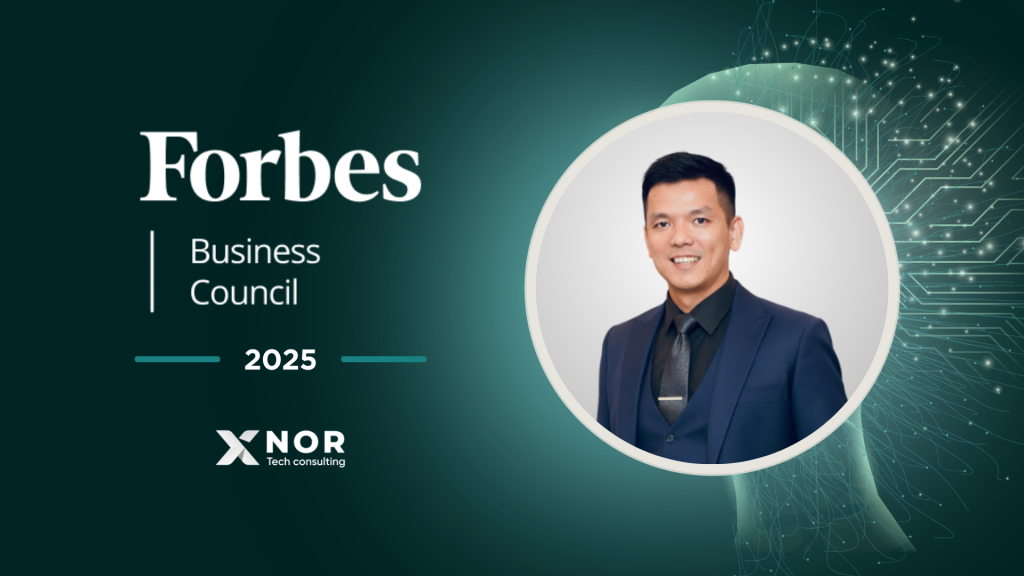
In a recent Forbes article, Ethan Pham, Founder and CEO of XNOR Group, highlights a perspective that many organizations are only starting to recognize. AI is not just a productivity tool; it is also quietly shaping engineering decisions.
AI tools today can influence:
- Framework selection and technology stacks
- System architecture recommendations
- Data models and system boundaries
- Security patterns and implementation details
These decisions often happen early in the development lifecycle, and once they are embedded into production systems, reversing them becomes costly and disruptive.
The risk is not always immediate. According to recent research cited in the article, a significant portion of AI-generated code may contain security vulnerabilities. These issues often surface months later during audits, incidents, or compliance reviews, when fixing them becomes much more complex.
This creates what Ethan calls an “accountability gap.”
In many teams today:
- Developers may rely on AI suggestions
- Managers prioritize delivery speed
- Leadership trusts the overall process
But when something goes wrong, the organization remains responsible.
The solution is not to slow down innovation or avoid AI. Instead, Ethan argues that organizations must rethink how they manage decision-making in an AI-assisted environment. Some key principles include:
- Defining clear decision ownership for architecture and security
- Prioritizing reliability and accountability over pure velocity
- Embedding governance into development workflows
- Encouraging strong collaboration between human expertise and AI tools
As AI becomes a permanent part of the software development lifecycle, the real competitive advantage will not simply come from using more AI.
It will come from how well organizations maintain human judgment and accountability alongside automation.
If you’re interested in the intersection of AI, software engineering leadership, and governance, Ethan Pham’s full article on Forbes offers valuable insights.
Read the full article:
“AI Accountability: How Leaders Can Help Guide Software Development Decisions.”